
Your Metal Windows Can Last Decades. Here's How.
Three connected guides that follow a metal window from the first draft you notice, through install week, to the seasonal care that keeps it tight for decades.
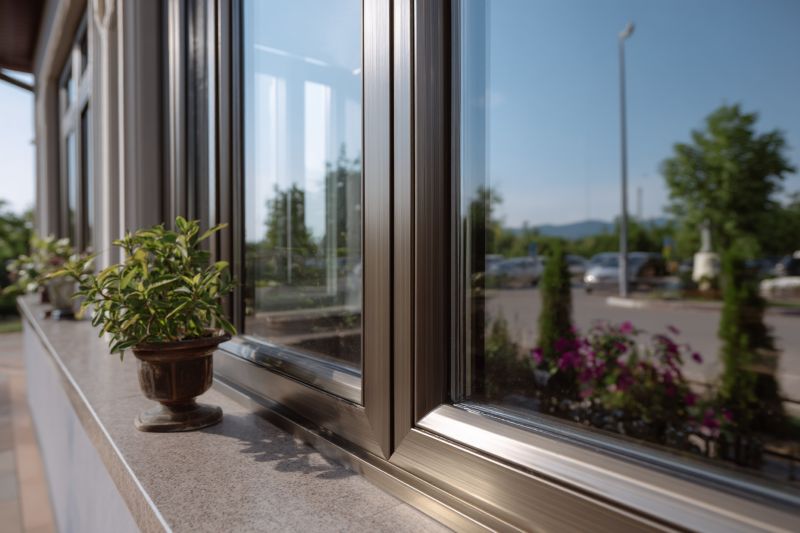
Metal windows have a reputation for lasting a very long time. Steel and aluminum frames hold thin sightlines, carry big glass, and shrug off heat that warps other materials. But that long life is not automatic. It depends on three things going right: catching the old unit before it fails completely, installing the new one properly, and cleaning and checking it on a schedule instead of when something starts to whistle.
This series walks through all three, in the order a homeowner actually meets them. It is written for people who own metal windows now, people replacing tired frames this season, and anyone who has been told a fogged pane or a sticky sash is just "how old windows are." It is not a sales pitch for one frame type. It is a look at what fails, why it fails, and what quietly keeps a window tight for twenty or thirty years.
Field input for the series came from Affordable Windows AZ, a replacement window company that works on homes across the Phoenix area. Their crews see the same failure patterns over and over, and that experience shaped which shortcuts and warning signs got the most attention in the parts below.
From Cold Drafts to Decades
The first stretch of the series is about diagnosis and timing. Cold weather is honest. It shows you exactly where a window has given up, because you can feel it with the back of your hand. Part one covers how to read those clues: gaps at the meeting rail, condensation trapped between panes, corner welds that have split, glazing putty that crumbles when you press it, and frames that sweat because there is no thermal break inside them.
Choosing the System, Not Just the Window
Diagnosis is only half of it. The same section covers how to compare metal window systems on the details that matter, like thermally broken frames, glass coatings, drainage design, and the difference between a true replacement unit and a retrofit that hides an old problem. There is also a practical note on scheduling, since good installers book out fast once the first cold snap hits and homeowners start searching for reasons behind air coming through windows.
The Install Week That Decides Everything
Part two is the section most homeowners never get to see, because it happens while they are at work. It follows a proper metal window install from start to finish: opening prep, checking the rough opening for square, setting shims so the frame is not carrying load in the wrong places, integrating flashing with the water resistive barrier, and giving sealant real time to cure before anyone hoses the wall down. Crews at Affordable Windows point to rushed flashing as the single most common source of callbacks, and the section shows why. It also covers what a homeowner should do while preparing for install day, from clearing interior access to protecting landscaping under the openings.
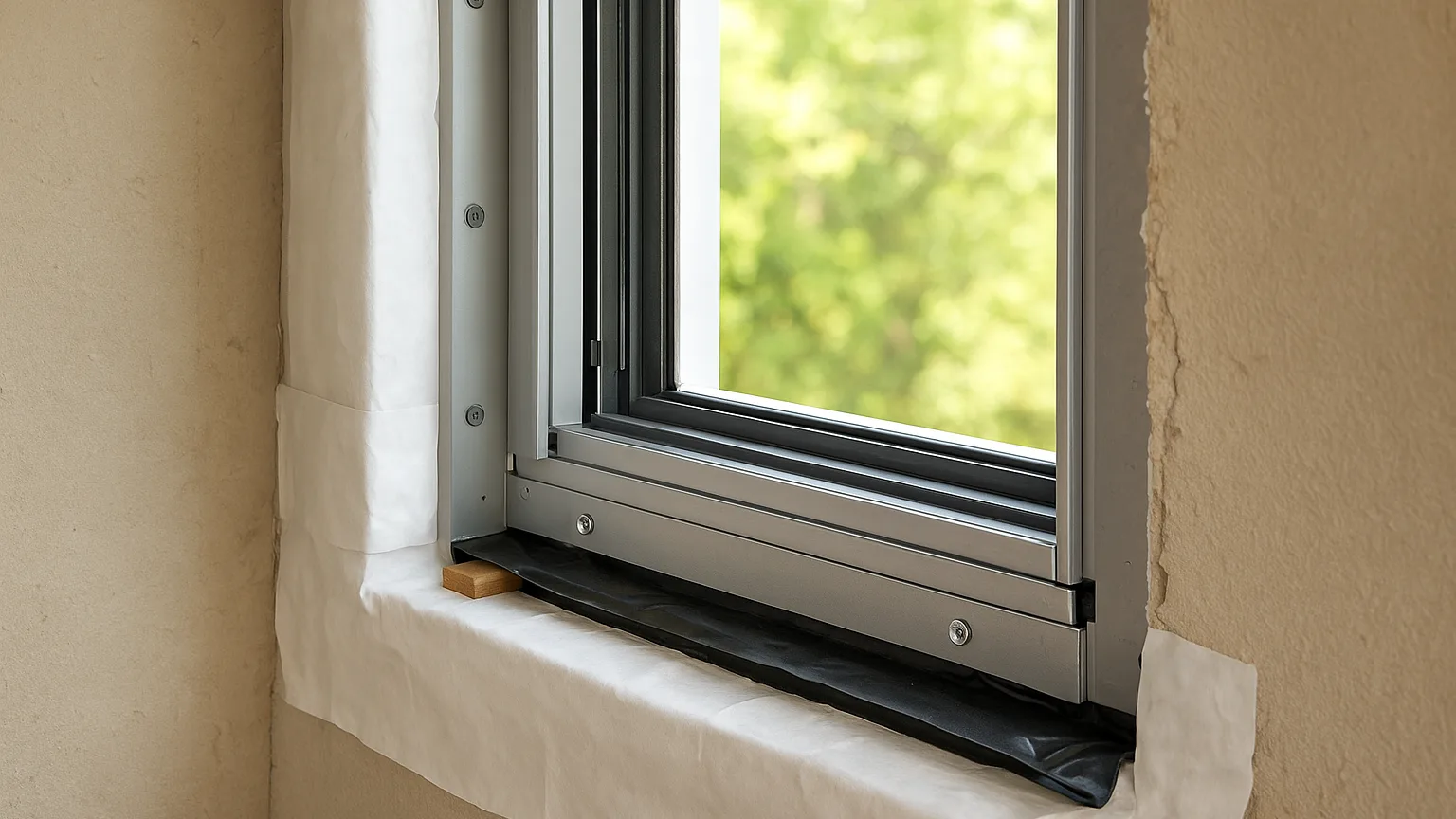
The third part is where a decades-long window is either earned or lost. Metal frames do not rot, but they do corrode, and rust almost always starts somewhere small: a chipped coating at a hardware screw, a weep hole packed with dust, a gasket that has gone hard and stopped shedding water. Left alone through a couple of wet seasons, that small spot spreads under the paint and lifts it from the inside.
The season-by-season plan in that section keeps the work light and spread out. It covers:
- Frame cleaning with the right products, and what strips protective coatings
- Weep hole and track clearing so water leaves instead of pooling
- Gasket and seal checks that catch hardening before leaks start
- Hardware lubrication for cranks, rollers, latches, and hinges
- Early rust treatment, including when touch-up works and when it will not
Pick Your Entry Point
Read straight through if you are replacing windows soon, since the three parts follow the same order your project will. The first part helps you decide what to buy and when, the second tells you what a good crew should be doing at your house, and the third hands you the routine that protects the money you just spent.
If your windows are already in and holding up fine, jump to the part that fits your situation. Anyone chasing a draft or a fogged pane should start with the first part. Anyone with a recent install and a small stain or stubborn sash should head to the last one. Metal windows reward attention early and punish it late, and any of these three sections is a reasonable place to start paying that attention.
Ready for Custom Aluminum Windows Built in Southern California?
The Metal Window manufactures custom aluminum windows and doors to your exact specifications. Tell us about your project and get a free quote.
Get a Free QuoteMore Expert Guides
Keep reading. Practical advice on aluminum windows, doors, glass, and finishes from the team that builds them.


I’ve used the The Metal Window before and it was great! I was pleased once again. Staff was very nice and really went the extra mile to help us out!
Ralph
Professionalism, Punctuality, Quality, Responsiveness, Value. Everyone was professional and offered amazing custom window service.
