
Install It Right Once, Stay Dry for Decades
Flashing order, shims, thermal breaks, and cure time. What a careful crew does during install week that a rushed one skips, and how to check their work.
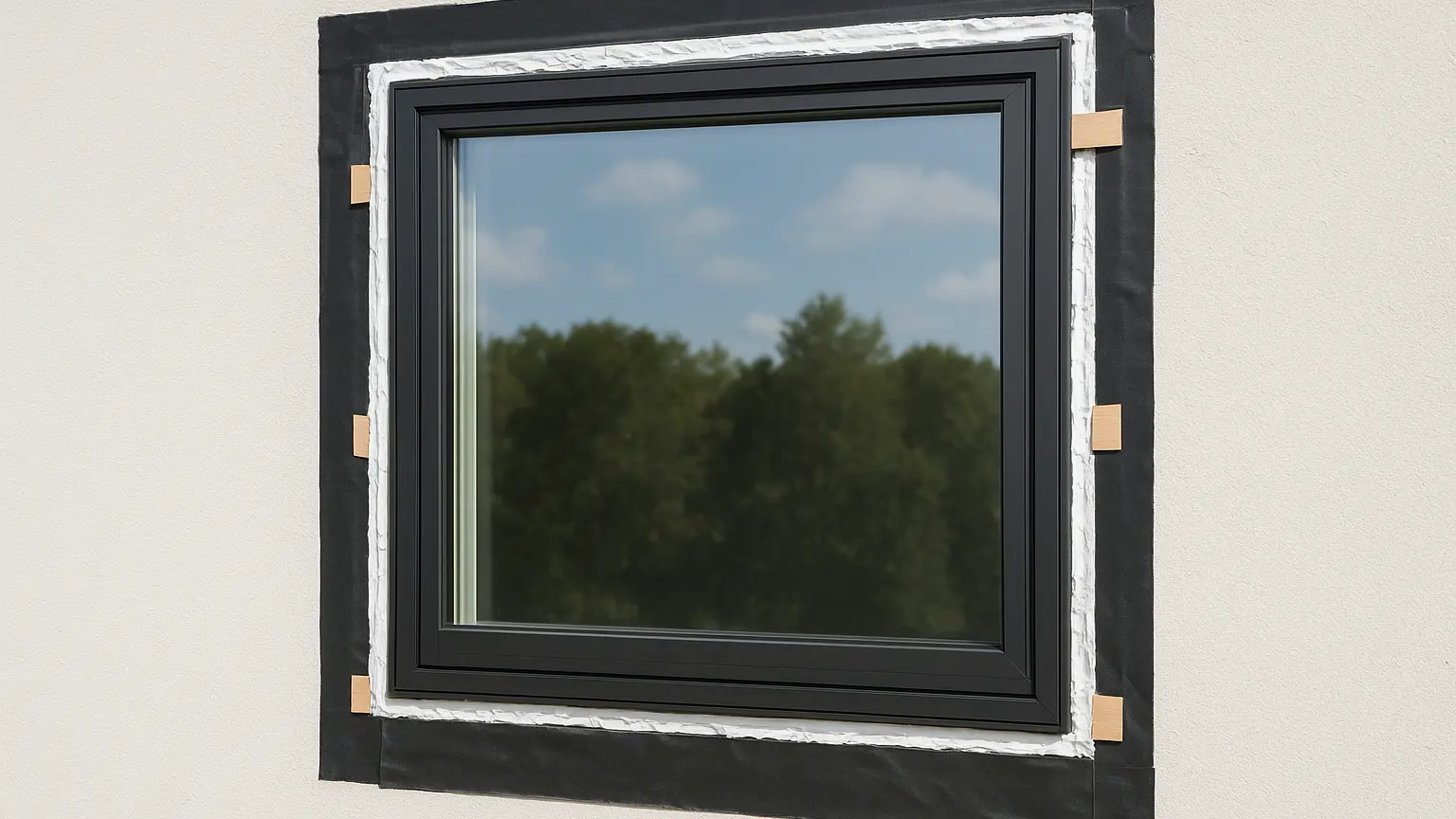
Part 2 of 3 in the series Steel & Sealed: The Metal Window Owner's Guide from Install Day to Decades Later.
A metal window can outlive the roof above it, or it can weep at the corners by the second rainy season. The difference is almost never the product. It is what happens during five days on site.
Part one covered how to catch failing frames, fogged glass and cold air leaks before the busy season books out. Once the order is placed, the risk shifts from picking the right window to installing it right, in the right order, with enough time for each step to work.
This series was shaped with insights from the team at Affordable Windows AZ, who see the same pattern year after year: callbacks trace back to a crew that had to be somewhere else by Friday. The measurements and system choices you made in that cold draft is cash only pay off if someone respects the details behind the trim.
Why Metal Frames Punish a Fast Crew
Metal is unforgiving in ways vinyl is not. It moves with temperature, conducts cold straight through the frame unless the thermal break stays intact, and corrodes where it touches the wrong material. Because aluminum and steel frames are stiff, they will not quietly flex to hide a crooked opening. Every error stays visible and stays active.
So a rushed install does not fail loudly on day one. It fails slowly. Water finds a shortcut at the sill corner. A shim in the wrong spot puts the sash under tension. A bead of sealant painted before it cured splits into a hairline gap. Two winters later the homeowner blames the window.
What Happens Before the Window Goes In
Good crews spend more time on the empty opening than on setting the unit. Old frames come out cleanly instead of being cut and left buried. The opening gets checked for rot, crumbling stucco, soft sheathing and old water staining, usually the honest record of how the last window failed, then squared and sized. A frame set into an out of square opening will never operate smoothly, no matter how well it is sealed.
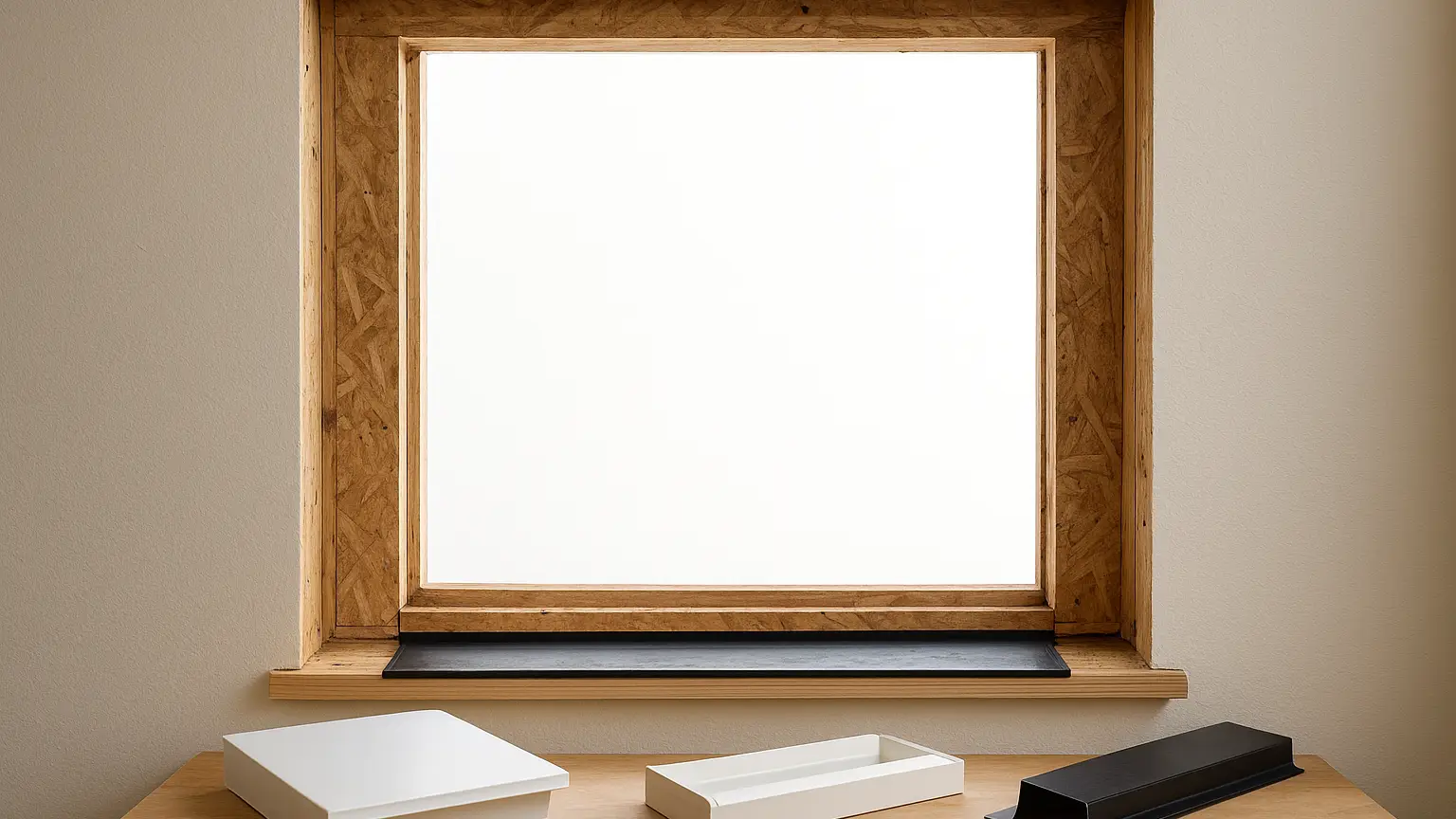
The sill is where most of the real work belongs. It should slope out, not in. A sill pan with end dams and a back dam gives any water that gets past the glass a clear path back outside instead of a puddle to sit in.
The Prep Checklist That Prevents Callbacks
- Dry, sound substrate. No sealing over damp framing or loose stucco.
- Sill pan first. Sloped, with dams, lapped over the weather barrier below.
- Weather barrier sequencing. Sides lap over the flange, head flashing laps over the sides, everything shingle style.
- Isolation where metals meet. Aluminum against masonry or dissimilar metal gets a barrier so galvanic corrosion never starts.
- Fastener plan. Anchors through designed locations, never punched through the thermal break.
Thermal Breaks and Shims Are Not Optional Extras
A thermal break is the insulating barrier inside a metal frame that stops cold from riding straight through. Drive a long screw through it, pack the cavity with the wrong material, or bridge it with a metal trim piece, and a high performance window sweats and drips condensation like a single pane. Fasten where the manufacturer says to fasten, and nowhere else.
Shimming follows the same logic: shims go at load points and hardware points, snug but never forcing the frame. Overdriving a fastener to close a gap bows the frame, and a bowed frame means a sash that seals on one side and leaks on the other. "We check operation before anything gets sealed, because a window that binds on day one will bind forever," says Marcus Vela, lead installation specialist at Affordable Windows.
The Five Shortcuts Behind Most Leaks
Nobody sets out to install a leaking window. These shortcuts get taken because the schedule is tight, the weather is turning, or the next job starts Monday.
- Caulk instead of flashing. Sealant is a joint filler, not a drainage plane. Once it is the only thing between the storm and your wall, the clock is running.
- Sealing the weep holes. Those small slots at the bottom of the frame are the drain. A tidy bead across them turns the sill into a bathtub.
- Skipping backer rod. A joint packed too deep or too thin cannot stretch, and it tears the first time the frame expands in summer heat.
- Foaming the cavity solid. Over expanding foam pushes frames out of alignment and blocks the drainage path.
- Painting or hose testing too early. Sealant needs real cure time, not surface skin time.
Cure Time Is Part of the Install, Not a Delay
Most quality sealants skin over in under an hour but need days to fully cure, and low temperatures stretch that out considerably. Paint, trim, pressure washing or a full water test inside that window can disturb the bond before it ever formed. The insight from the Affordable Windows AZ team is easy to miss: the last day of an install should be quiet, not busy.
What to Walk and Confirm Before Final Payment
- Every sash opens, closes and locks with one hand, on every unit.
- Weep holes are open, with visible daylight or airflow through them.
- Sealant joints are continuous, tooled and gap free at the corners.
- Head flashing sits over the weather barrier, not tucked behind it.
- Interior gaps are insulated and air sealed before trim goes on.
- A controlled water test happens only after the sealant has cured.
Once that punch list is closed, the window is only as good as the care it gets, which is where skip this fall cleaning takes over as the next line of defense against rust and worn gaskets.
The Quiet Payoff of a Slow Install Week
A well installed metal window is boring. It opens easily in July and December, stays dry through a driving storm, and never asks for attention. Getting there means squaring the opening, flashing in the right order, protecting the thermal break, shimming honestly, leaving the drains open, and giving sealant the time it needs to become a seal. Every shortcut in this article saves an hour and costs a decade. So when you interview a crew, ask about their sill pan, their fastener locations and their cure schedule before you ask about price. The answer tells you whether you are buying a window or the next fifteen years of dry walls, steady comfort and frames that still look sharp.
Ready for Custom Aluminum Windows Built in Southern California?
The Metal Window manufactures custom aluminum windows and doors to your exact specifications. Tell us about your project and get a free quote.
Get a Free QuoteMore Expert Guides
Keep reading. Practical advice on aluminum windows, doors, glass, and finishes from the team that builds them.


I’ve used the The Metal Window before and it was great! I was pleased once again. Staff was very nice and really went the extra mile to help us out!
Ralph
Professionalism, Punctuality, Quality, Responsiveness, Value. Everyone was professional and offered amazing custom window service.
