
Your Steel Windows Are Worth Saving, Not Copying
Why vinyl copies shrink your glass and your resale, plus retrofit, restoration and true steel paths that keep original sightlines intact.
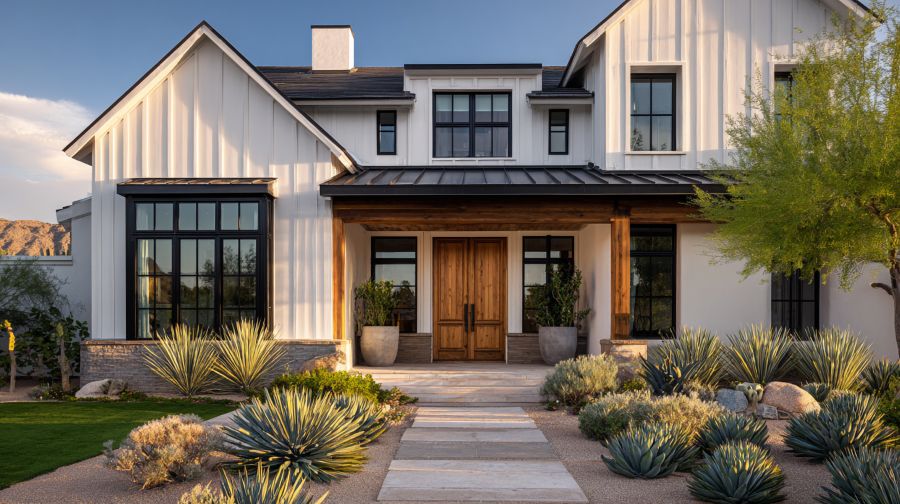
There is a moment in almost every old home project when someone holds up a brochure and says the magic words: "This one looks just like steel." It does, from twenty feet away, in a photo, at dusk. Then the crew pulls your original casements out, sets the new units in, and you walk into the room. The glass is smaller. The frame is fatter. The shadow line that used to cut a crisp dark stripe across the stucco is now a soft gray blob.
You cannot un-see it. Neither can the next buyer.
What You Actually Lose the Day Steel Comes Out
Steel windows exist because steel is strong. A rolled steel section can hold a big sheet of glass with a frame barely over an inch wide. Vinyl is soft, and it needs bulk and internal chambers to stay rigid, which is why a vinyl frame often runs three to five times wider than the steel profile it replaces. That width comes out of your glass. A typical steel casement swapped for a stock vinyl unit loses 15 to 25 percent of its daylight opening. In a room with four windows, that is like boarding up one of them.
There is a deeper practical look at arizona the heat test for anyone weighing the options.
Here is what disappears with the original frames:
- Daylight. Narrow sightlines mean more glass per opening, every time.
- Proportion. Divided lites on steel follow a rhythm. Stock vinyl grids follow a catalog.
- Depth. Real steel sits deep in the wall and casts a shadow. Vinyl sits proud and flattens the facade.
- Period credibility. Tudor, Spanish Colonial, Art Deco and midcentury homes were designed around thin metal; change that and the whole elevation reads wrong.
- Appraisal language. "Original steel casements" is a line item. "Vinyl replacement windows" is not.
Appraisers and listing agents in historic districts notice fast. The same way a buyer clocks laminate in a 1920s dining room, they clock chunky white frames in a steel-sash house, and the money you banked at install time gets handed back at closing with interest.
The Honest Case Against Steel (And Why It Is Fixable)
None of this means original steel is perfect. Old steel windows rust where water sits. They often have single glazing, which means cold glass and condensation. The putty glazing dries out and cracks. Hardware wears, hinges sag, and a sash painted nine times will not close properly. In a cold climate, an un-upgraded steel window is genuinely a weak spot, and homeowners in colder regions often discover that the hard way when that cold draft is cash leaving the house all winter.
The mistake is assuming the only fix is throwing the window away. Almost every one of those problems has a repair path, a retrofit path, or a true steel replacement path that keeps the sightline you paid for when you bought the house.
Restore, Retrofit or Rebuild: Choosing Your Rung
Think of your options as a ladder. Start at the least invasive rung and move up only when the condition of the frames forces you to.
Rung One: Restore in Place
If the frames are structurally sound and the rust is surface-level, restoration is the cheapest serious option: strip old paint, treat corrosion down to clean metal, straighten bent sections, replace worn hinges and handles, re-glaze with modern sealant instead of brittle putty, and weatherstrip the sash perimeter. Done well, a restored steel casement closes with a solid thunk and seals far better than most people expect. Add low-e storm panels on the interior and you pick up a real jump in comfort without touching the exterior appearance at all. This path also preserves the maintenance rhythm that keeps metal healthy, which is the whole reason metal windows and shutters last for eighty years when they are cared for.
Rung Two: Thermally Broken Retrofit
When glazing performance is the main issue but the openings are good, a thermally broken retrofit is the sweet spot: new steel or thermally broken aluminum sashes engineered to slim profiles, with an insulating polyamide barrier separating the inside metal from the outside metal. That barrier is the whole game. Without it, metal conducts cold straight through the frame and condensation runs down the inside. With it, you get a frame that performs close to a quality wood or fiberglass unit while keeping a face width measured in millimeters, not inches.
What to compare when you are quoting these:
- Face width and sightline measured at the meeting rail, not just the jamb.
- Break type. Poured-and-debridged versus true polyamide strut. The strut performs better over time.
- Glass package. Warm edge spacers matter more on thin frames than on fat ones.
- Finish system. Hot-dip galvanized before coating is the difference between twenty years and sixty.
- Hardware depth. Narrow frames need hardware designed for them, not adapted from a wider line.
Rung Three: True Steel Replacement
Sometimes the frames are too far gone: rust has eaten through the bottom rail, the lintel has shifted, or a prior remodel butchered the opening. That is when new steel earns its cost. Modern steel windows match the slim dimensions of the originals but add thermal breaks, multi-point locking, and glazing systems that would have been science fiction in 1928.
Cost runs higher than vinyl; nobody pretends otherwise. But the comparison is not steel versus vinyl, it is steel across sixty years versus vinyl replaced twice in that span, plus the resale hit, plus the lost glass area. Run that math the long way, the way you would evaluate a roof, and steel tends to win. If you are weighing materials from scratch, it is worth reading how aluminum vs steel windows actually compare on strength, span and maintenance. Climate pushes the decision too: harsh sun and extreme heat punish frame materials differently, and anyone who has reviewed the arizona heat test reports on replacement windows knows vinyl warping is not a theoretical problem.
Fit, Flashing and Window Coverings on Slim Steel
More steel window projects go sideways from measuring errors than from product choice. Historic openings are rarely square, rarely consistent, and almost never match the drawing someone found in the garage.
The Measurement Mistakes That Cost the Most
A steel window is often built directly into masonry with no separate buck and no shim space at all. If your installer measures like it is a wood-framed house, the unit arrives wrong and the fix is always ugly: trim coil, added casing, or a filler panel that announces itself forever.
- Measure the masonry opening, not the visible frame. Steel frames often hide a half inch or more behind plaster.
- Take width and height at three points each. Old openings drift; build to the smallest and flash the difference.
- Check frame depth against wall thickness. Thick stucco or double-wythe brick changes the jamb extension entirely.
- Note the swing clearance. Steel casements often open into deep reveals that modern hardware cannot clear.
- Document the sill angle. Original steel sits on a sloped sill; a flat-set replacement traps water and starts rusting year one.
Water management is the quiet killer here. Two windows of the same spec can perform wildly differently based on flashing alone, which is why stories about windows one skyrocketing energy bill usually trace back to the install detail, not the product label.
Planning Shades and Drapery Around a One Inch Frame
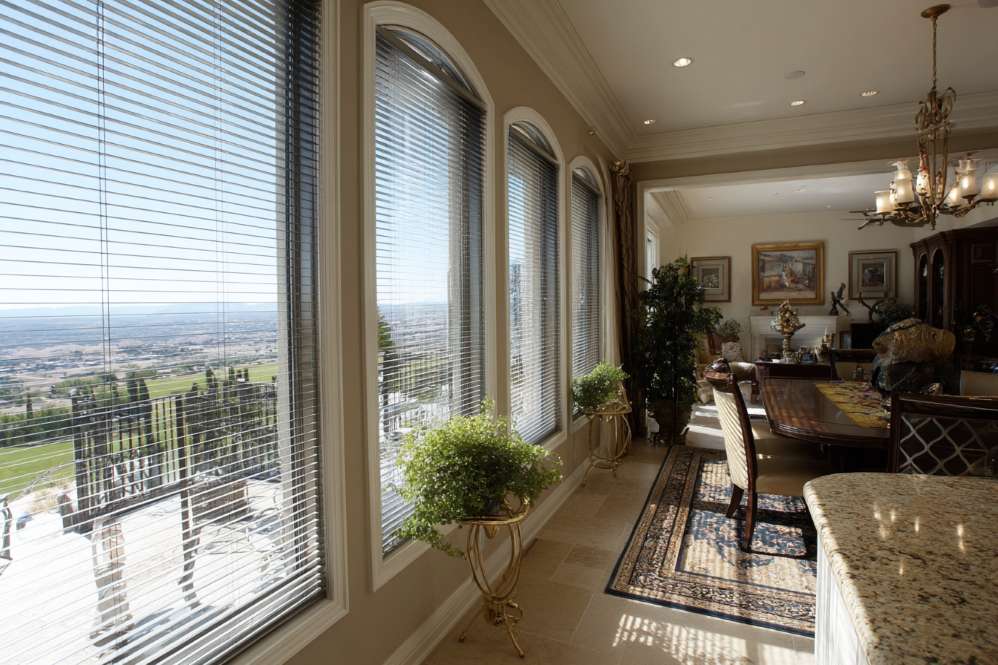
People forget this until the window is in and the blind guy says the mount will not work. Steel sashes are narrow and they swing inward or outward, so there is often no room for an inside-mount shade. Work through it early:
- Go outside mount by default. Bracket to the wall or a header board above the opening, clear of the sash swing.
- Extend the width. Carry shades three to four inches past the opening on each side so you do not shrink the daylight you just fought to keep.
- Use low-profile hardware. Slim roller cassettes and thin Roman shade headrails suit narrow steel far better than chunky valances.
- Mind the crank. Casement operators collide with drapery panels; choose a folding handle or a shallow stack side.
- Avoid magnetic mounts on coated steel. They scratch finishes and fail in heat.
Fabric choice matters as much as hardware. Heavy pinch-pleat drapery overwhelms a thin frame, while a simple ripplefold panel or a flat woven shade lets the metal stay the star. For deeper treatment options sized to these profiles, the breakdown on big windows, better blinds covers the layouts that work with large steel spans.
Thin Lines Are the Whole Point
Steel windows were never about the metal. They were about what the metal allowed: huge sheets of glass held by almost nothing, light pouring into rooms built long before anyone talked about open concept. Every inch of frame you add is an inch of light you remove, and no vinyl profile, however convincingly molded, gives that light back. The brochure comparison happens at a showroom counter. The real comparison happens in your living room at four in the afternoon for the next thirty years.
So before you sign for lookalikes, get an honest condition report on what you have. Restore if the frames are sound, retrofit with a thermal break if performance is the gap, and go to true steel if the originals are past saving. Measure the masonry, not the memory of it. Plan the shades while the walls are still open. Do that, and you end up with a house that performs like it was built this year and looks like it was built when it was.
Ready for Custom Aluminum Windows Built in Southern California?
The Metal Window manufactures custom aluminum windows and doors to your exact specifications. Tell us about your project and get a free quote.
Get a Free QuoteMore Expert Guides
Keep reading. Practical advice on aluminum windows, doors, glass, and finishes from the team that builds them.

I’ve used the The Metal Window before and it was great! I was pleased once again. Staff was very nice and really went the extra mile to help us out!
Ralph
Professionalism, Punctuality, Quality, Responsiveness, Value. Everyone was professional and offered amazing custom window service.
